My Story
I’ve spent most of my life creating stories, producing shows and talking with people about the movies, television and pop culture I love. Here’s how a lifelong fan turned that into a career.
I was a fan first.
I'm one of those people who can slip a movie or TV reference into almost any conversation, sometimes off a single word. So I'll resist opening with a, “First the earth cooled, then the dinosaurs came” (Airplane) story.
I grew up on Star Wars, Masters of the Universe, Transformers, all that good stuff. Born in the ’70s, made in the ’80s. It was a great time for pop culture
I was also the kid who grabbed my parents' camera, wrote stories, recruited friends and sometimes strangers to play roles, and made a series of my own productions. Long before it was a career, I loved stories, characters, and entertaining people.
Then I turned it into a profession.
When it came time for college, I thought I'd major in radio, TV, and film, but took a detour into mass communications and broadcast journalism at Midwestern State. I did a bit of everything: TV news, weather, editing, production. I also worked at the local CBS affiliate, even hopped onto a film crew when a production came through town.
After that, it was live TV work, script writing, movie reviews, ad agency work, and helping the city of McKinney's TV station create original programming people might actually watch.
Then came public radio at North Texas Public Broadcasting, where I was hired to help struggling fundraising drives. I coached on-air talent, produced live and pre-recorded content, recorded voiceovers, wrote scripts, and worked with national shows and personalities.
I also put a lot of creativity into the content, including working with Peter Sagal and Carl Kasell on a memorable election-themed segment, and creating a Monty Python special with Eric Idle. I worked on the TV side as well, but this is where I learned a lot about quality audio production.
Podcasting Changed Everything
After stepping away from radio in 2011, my wife said, “You should start a podcast.”
I really wanted to interview actors and people involved in movies and TV. However, I wasn’t sure how successful I would be booking them. So, I created a show showcasing other audio production skills using commentary, characters, skits and other concepts to create a creative pop culture-themed show.
However, I started to think about how I could start conducting interviews. Fortunately, I had actor friends who could help. I reached out to Lar Park Lincoln (Friday the 13th, Part VII) and James Hampton (Sling Blade, Teen Wolf, The Longest Yard) to be on the show.
Then, one guest led to another. Julie Newmar (Batman) was the first guest I booked through a publicist. Then came Efren Ramirez (Napoleon Dynamite), James Tolkan (Back to the Future), Mayim Bialik (The Big Bang Theory), Charles Grodin (The Great Muppet Caper) and many more.
Over time, I became known for coming prepared, asking better questions and creating conversations focused on guests and the audience. Guests remembered our conversations, and I developed ongoing working relationships with publicists.
That experience eventually pushed me toward something bigger than a single interview show: creating original shows and formats around the fandoms I really loved.
Building Shows, Not Just Podcasts
After two years of an interview show, I decided to narrow my focus. Most of my guests were tied to “geek culture” genres like sci-fi, fantasy, and superheroes. I knew I had to stand out from the other talk shows. So I created Assembly of Geeks, added two co-hosts, and built something much bigger than a standard talk show.
I built a whole world around the talk. It was part story/part talk show. There was a fictional fortress, a narrator, recurring characters, an AI character (like Jarvis from Iron Man), music, sound design and stories that led into the topics we wanted to discuss.
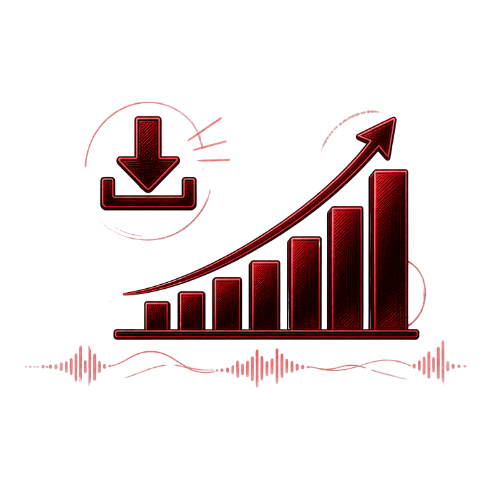
We grew from 100 downloads per episode to around 1,000 per episode. (For context, half the podcasts in our hosting service average around 165 downloads per episode.)
That momentum led to a spin-off show covering each episode of Marvel’s Agent Carter. This was another chance to be creative.
It featured a great secret agent theme, a classic-style newsman voiceover (from “SSR radio”) to setup the episode discussion, real 1940s commercials and music for breaks, and more. Later, we learned the writers were listening, and Hayley Atwell herself had listened to the show. That eventually led to an interview with Hayley ahead of Season 2.
That growth also led to the Assembly of Geeks Network and shows like Comic Book Noob, which helped people figure out where to start with comic characters they were discovering through movies and television. The show eventually reached thousands of listeners per episode, with regular feedback from parents, longtime fans, and newcomers alike. Later came The Geek Supreme, a high-production pop-culture game show built around debate, challenges, music, sound effects, and a host who decided who reigned supreme.
Creativity and strong conversations remained at the center of it all.
The Creative Work Never Stopped
Eventually, life changed. Co-hosts got busier, schedules became harder to coordinate, and my full-time work demanded more of my attention. The regular shows gradually became harder to sustain. Over time, those shows came to an end, but I never stopped wanting to create content.
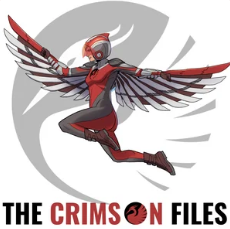
One of the biggest projects I took on afterward was The Crimson Files, a scripted superhero action-comedy podcast. It gave me a chance to return to something I hadn’t done in years: creating characters, writing episodic stories and building an entire fictional world.
And I went all in.
I wrote the scripts, held auditions, cast the actors, coordinated studio sessions and produced every episode, including the music and detailed sound design. I wanted listeners to feel like they were there.
The result was two six-episode seasons, with episodes often taking 12 to 18 hours each to produce. Stephanie Nadolny, known for her work on Dragon Ball Z, even voiced the superhero at the center of the story.
So while the earlier shows may have slowed down, the part of me that loves writing, producing and finding creative ways to tell stories never really went anywhere.
Why I’m Back
I missed the conversations. I missed creating shows with people I enjoy talking to. I missed the process of taking an idea, shaping it into something distinctive and putting it in front of an audience.
A lot of my past interviews and other work were already on YouTube, and people continued to discover them in 2026. I was able and ready to come back, and that felt like a sign. This time, YouTube would be the home for it all because video adds something I really value.
I still love audio, but there’s something different about being able to see the person you’re talking with, react to them in the moment and let the audience see that connection too. The same goes for co-hosts and the people watching along with us.
My work has always been people-focused, and Scott Murray Presents will be no different.
A Few Personal Notes…
I’ve been married for 21 years.
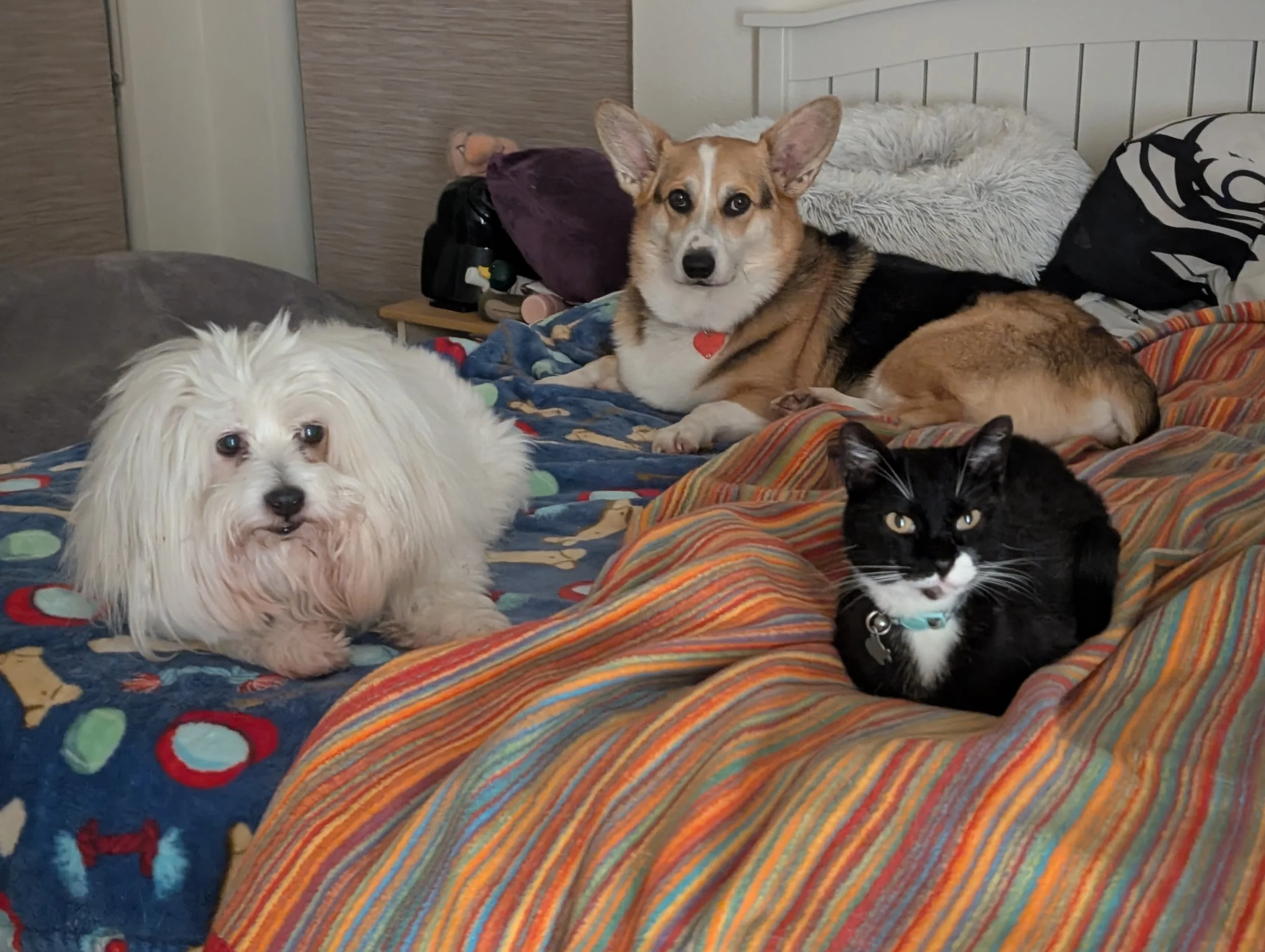
My four-legged kids are all named using pop culture references: Kenobi (Star Wars), Jaina (World of Warcraft), and Goose (Captain Marvel).
I once wrote, directed and produced an episodic ’80s-themed TV series that developed a following in Dallas.
Nostalgia runs deep. I still love the movies, shows, collectibles and fandoms I grew up with.
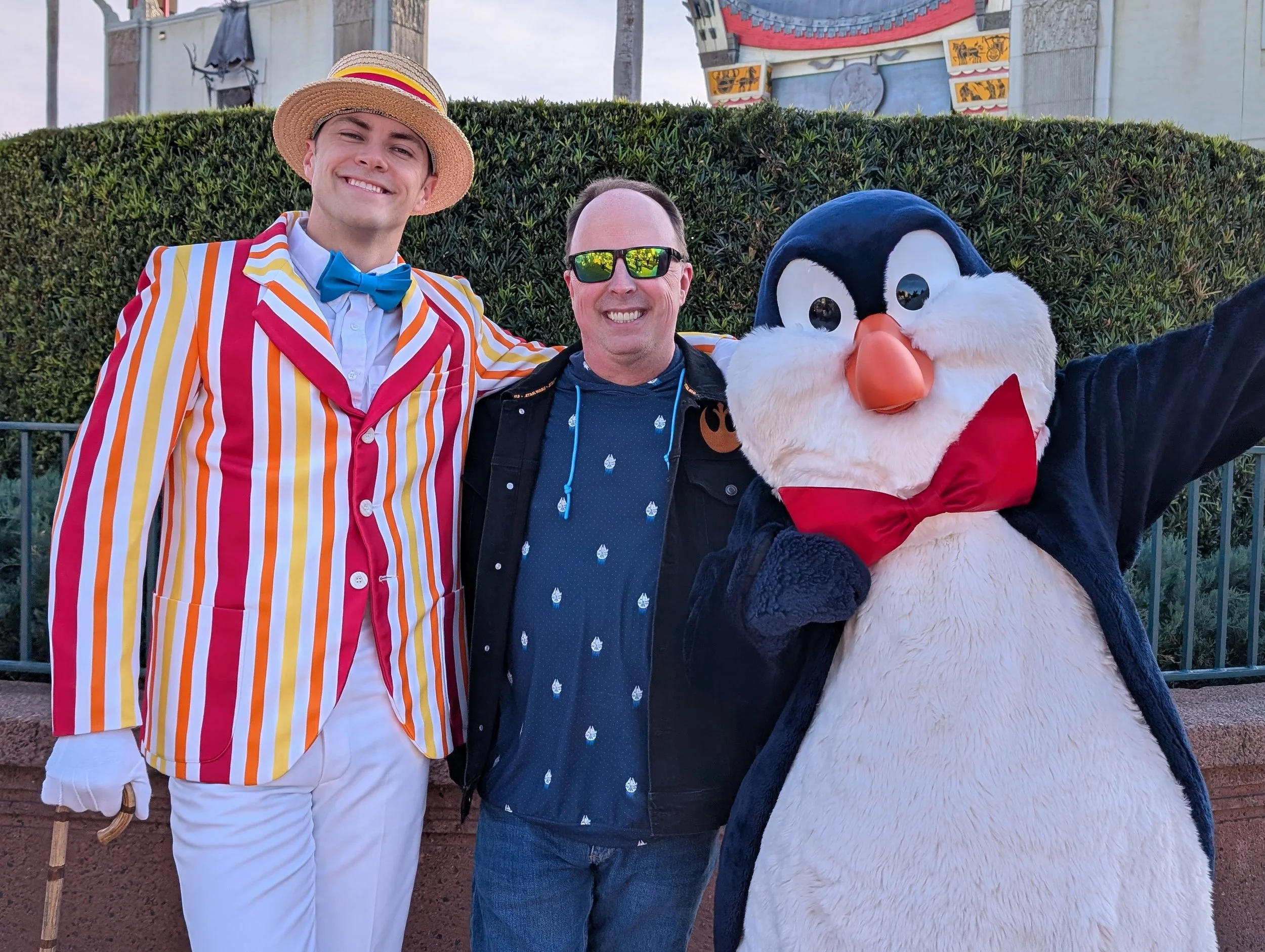
I try to get to Disney and fan conventions whenever possible.
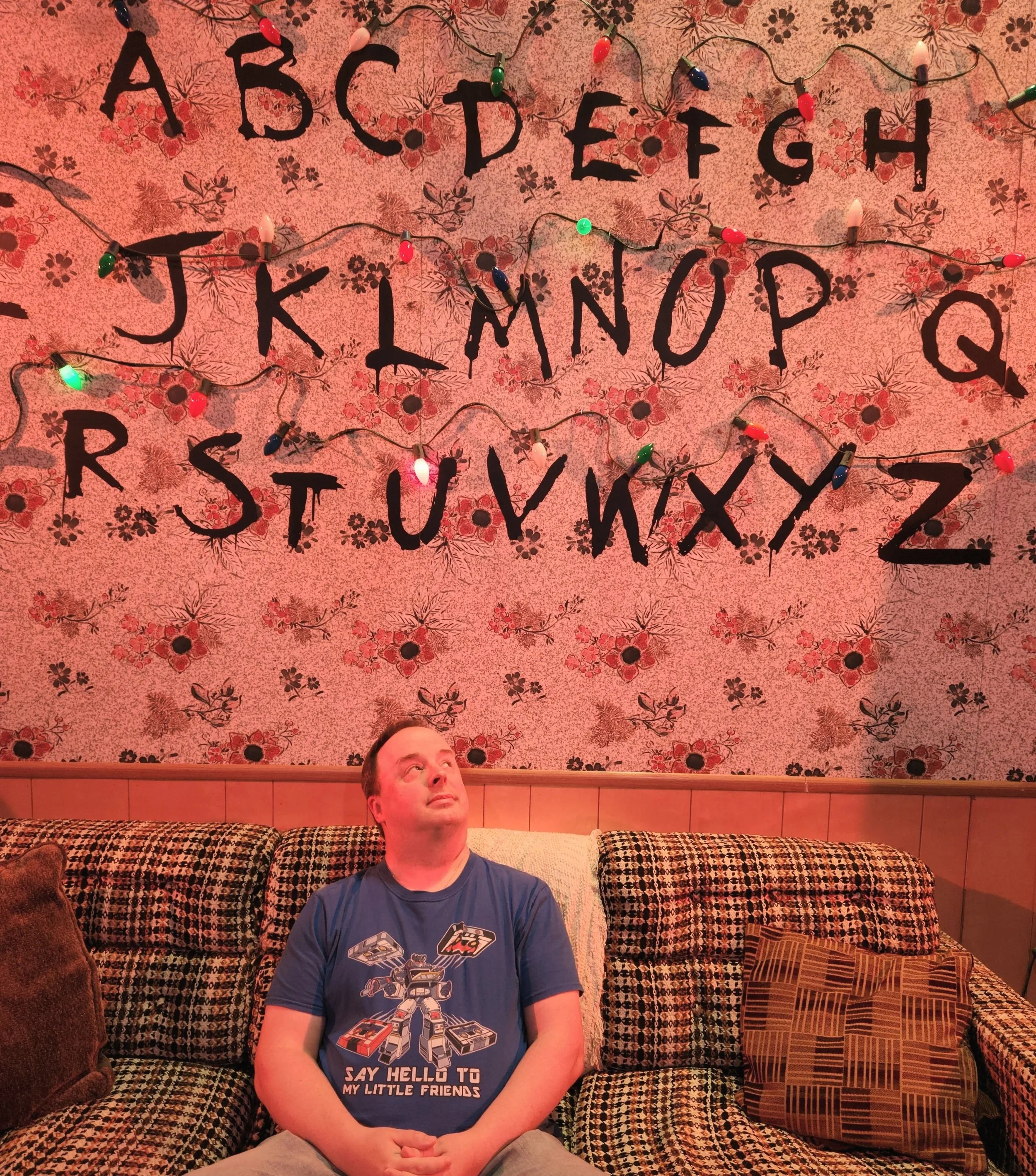
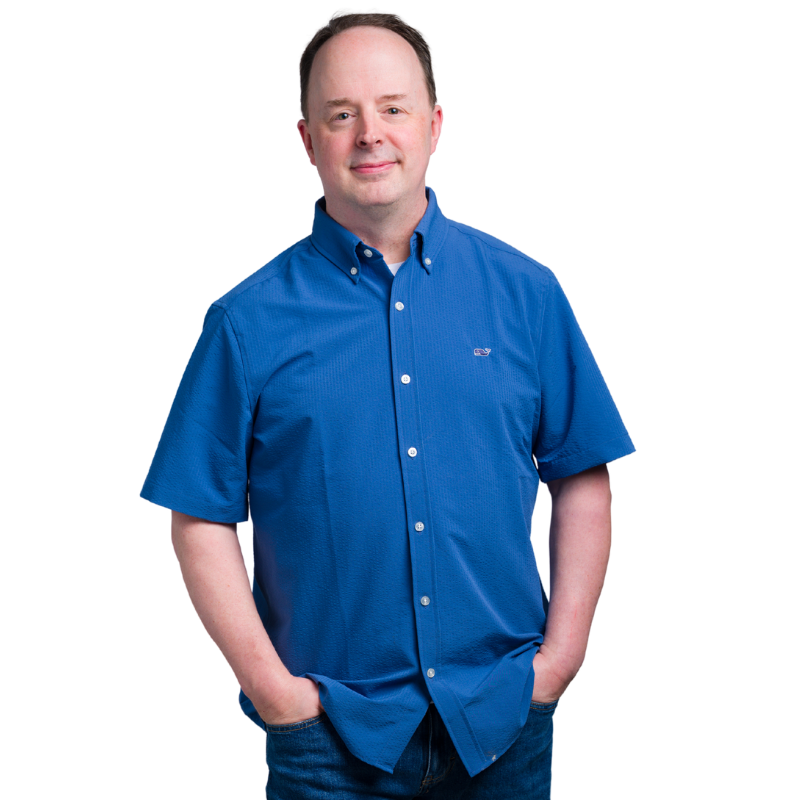
I’m known for my pop culture shirts.